A UPI (Unique Parcel Identifier) is the registration number Rwanda gives every land parcel in the national register. It is built from codes for the province, district, sector and cell, then the parcel's own number, for example 1/03/02/04/750. A UPI lets you check ownership, size, approved use and restrictions, but it cannot prove that the plot you are shown on the ground is the parcel that number describes.
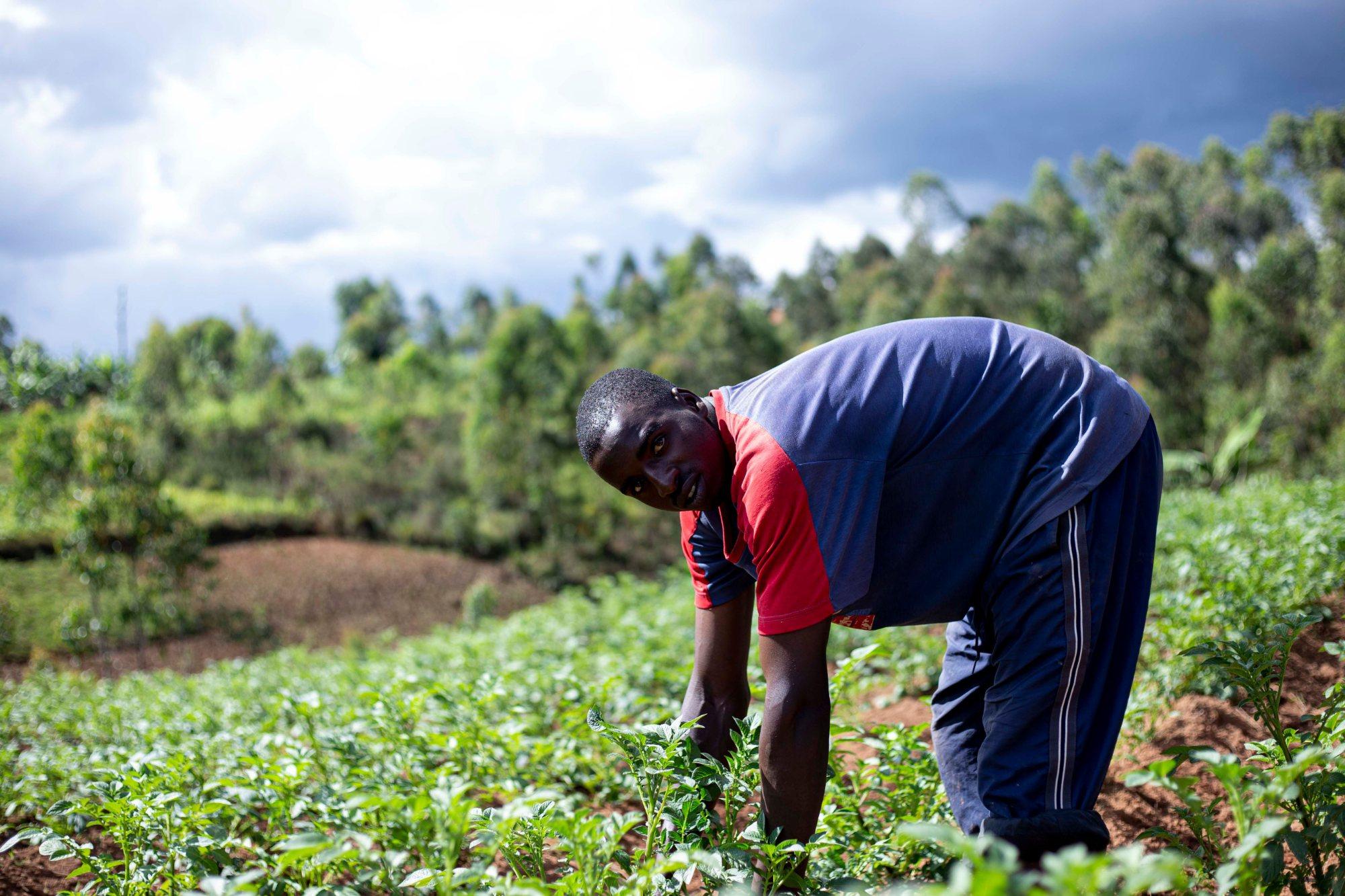
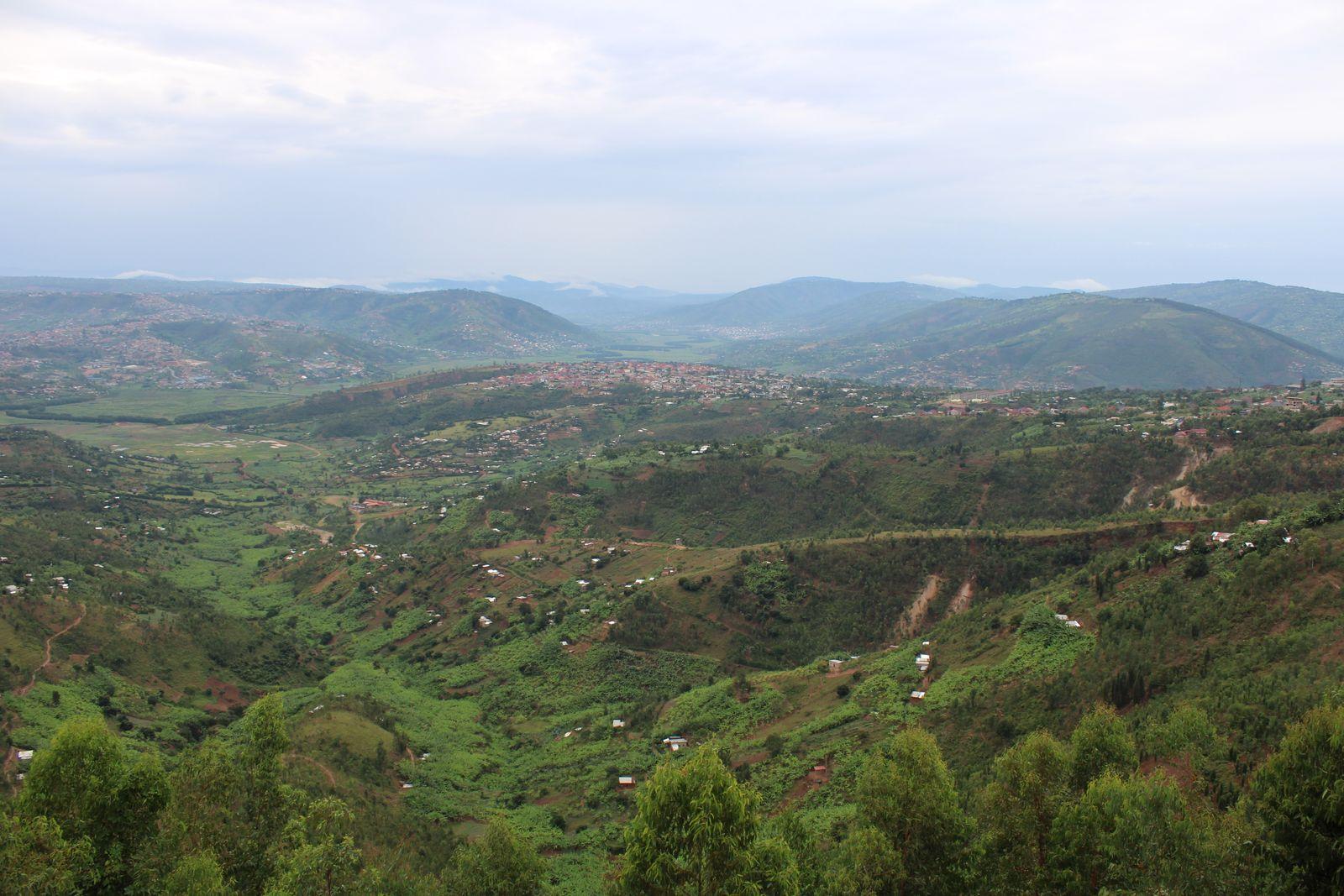
Aline is a pharmacist in Montreal. On a Sunday evening her uncle calls her on video from a slope in Nyamata, Bugesera. Red soil, a young avocado tree, a view across to the next hill. "This is it," he says, turning the phone slowly so she can see all four sides.
The seller sends a clear photo of an electronic land title. Aline's cousin in Kigali dials *651# on his MTN line and types in the parcel number from the title. Everything comes back clean. The owner's name matches the seller's ID. No mortgage. No caveat. Residential use. The size is what was promised.
She is ready to send the deposit on Friday.
Here is what nobody checked. The number on that title belongs to a parcel two plots further down the slope. The land with the avocado tree is registered as agricultural, to a different family, and it has never been subdivided.
The registry did not lie to Aline. It answered exactly the question she asked, which was about a number. Nobody asked the second question: is that number the ground under my uncle's feet?
Aline's story is a composite scenario based on common patterns. It is not one client's case.
How do you read a UPI?#
Rwanda's National Land Authority describes the UPI as a set of codes for the province, district, sector and cell, followed by the parcel number. Read from left to right, each part narrows the search, like an address that ends at one specific piece of earth.
| Part of the UPI | Example: 1/03/02/04/750 | What it tells you |
|---|---|---|
| First code | 1 | Province. 1 is the City of Kigali. |
| Second code | 03 | District within that province. |
| Third code | 02 | Sector within that district. |
| Fourth code | 04 | Cell within that sector. |
| Last number | 750 | The parcel itself, unique inside that cell. |
Two practical lessons come straight out of that structure.
A UPI already tells you roughly where the land should be. If a seller describes a plot in Rwamagana but the UPI's codes point to a cell in Huye, you do not need a lawyer to know something is wrong. Ask for the cell name that matches the codes and compare it with the location you were shown.
One digit changes everything. Neighbouring plots in the same cell share the first four codes. Only the last number separates them. A typing mistake, an old document, or a swap of the final digits can move you onto a completely different parcel while every other part of the number looks right.
Apartments follow the same logic. NLA's land transactions guidance explains that a condominium keeps the UPI of the land parcel and adds a number for each unit.
Why is Rwanda's parcel system so strong?#
The UPI exists because Rwanda did something few countries have managed. Under the Land Tenure Regularisation programme, which began in 2009, the government mapped and registered almost every parcel in the country. At the programme's official close in March 2019, the Minister of Environment reported that 11.4 million parcels had been demarcated and 7.2 million land lease titles issued. A World Bank case study put the cost at under USD 6 per parcel.
By mid 2025, NLA reported 11.9 million registered parcels. Its land dashboard, described by The New Times in October 2026, shows about 8.3 million agricultural parcels, about 1.7 million residential parcels and about 1.1 million forestry parcels.
This is why buyers abroad often trust Rwanda's system more than any other in East Africa, and they are right to. But a strong register moves the risk rather than removing it. When the paper is hard to fake, the weak point becomes the link between the paper and the land.
What can you check with a UPI?#
Once you have the UPI, the registry opens up. These are the main official routes.
| Tool | What you get | Things to know |
|---|---|---|
| *651# on your phone | Registry information on the plot. RIB has told buyers it shows ownership, size and approved land use, and it shows whether a caveat or mortgage is registered. | Works from a Rwandan mobile line. If you are abroad, someone you trust in Rwanda can run it while you watch on a video call. |
| Electronic land title | The official certificate, downloaded from the NLA portal. More than 866,000 had been downloaded by January 2024. | NLA says an electronic title is valid only if its details match the national register. A photo of a title is a starting point, not proof. |
| Zoning on geodata.rw | District land use plans and zoning, viewable down to each UPI. | Tells you whether the plot is meant for housing, farming, forest, wetland buffer and so on. |
| SMS alerts | Registered owners receive an SMS whenever a transaction happens on their land. | The real owner should know about the sale you are being offered. |
| Irembo land services | Transfers, subdivisions, mergers, boundary corrections and title updates. | Every service starts with a UPI linked to an ID, which is why the seller's ID and the registered owner must match exactly. |
Sources for this table: The New Times on *651# and SMS alerts, RIB's advice to buyers, The New Times on electronic titles and district land use plans on geodata.rw. In Kigali, 22 percent of land is reserved for agriculture under the master plan, so the zoning check matters even inside the city.
One more feature is coming. In October 2026, NLA said approved physical plans are being added to the land system so buyers can see whether a plot sits in an area with an approved physical plan, which affects whether a building permit can be obtained.
What can a UPI not tell you?#
This is the part most buyers skip, because a clean *651# result feels like the end of the job. It is the end of the paper check, nothing more. A UPI cannot tell you:
- Which plot you are standing on. The registry has no way of knowing which hillside your relative is filming.
- Where the boundary is on the ground today. Fences move, beacons disappear, neighbours extend. Rwanda even has a formal service for rectifying boundaries and correcting area, which tells you that records and ground do not always agree.
- Who is living on or using the land. Tenants, farmers, a relative who was promised the plot, or new buildings do not appear in a phone result.
- Whether the person in front of you is the owner. The registry shows a name. It does not shake hands with the seller.
- Whether you are buying the whole parcel or a piece of it. A seller can show you part of a larger parcel and quote the UPI of the whole.
- What happened after you checked. Registry information changes daily. A result from three weeks ago describes three weeks ago.
Five ways a real UPI ends up on the wrong deal#
None of these needs a forged document. Each one puts a genuine number in the wrong place. They are explained here as patterns, so you can recognise them.
1. The neighbour's number#
The plot shown on the visit and the UPI on the paperwork are different parcels in the same cell. Everything checks out on *651#, because the number is real. This is Aline's story, and it is the most common gap for buyers who never stand on the land themselves.
2. The half plot#
The seller owns a large parcel and offers you a portion of it, with the UPI of the whole parcel as proof. Until a proper subdivision is approved and registered, there is no separate UPI for your portion, and your name is on nothing. Rwanda's land officials have described informal transfers and unregistered subdivisions as a continuing challenge.
3. The retired number#
When a parcel is subdivided, the new plots receive new documents that replace the old one. When parcels are merged, the owner receives a single new UPI. An old title or an old UPI on a sale agreement may describe land that the register has already split or combined.
4. The plot that changed shape#
After a boundary rectification or area correction, NLA notifies the owners of the affected parcels and issues new electronic titles. An older copy of the title can show a size or shape that is no longer the official record.
5. The right number, the wrong seller#
In December 2024, the Rwanda Investigation Bureau described cases where people fraudulently registered other people's plots in their own names and sold them quickly to buyers who did not know. The legitimate owner found out only when activity started on the land.
Older history can catch careful buyers too. In November 2024, NLA described a case in Kamonyi District where heirs each registered a plot from shared family land, and a later court judgment cost more than 40 buyers their ownership.
How do you match a UPI to the land on the ground?#
This is the sequence we recommend to anyone buying in Rwanda, wherever they live. We call it Paper to Ground. It turns a number into a confirmed piece of land.
Step 1: Get the UPI in writing before anyone visits#
Ask the seller for the UPI and a copy of the electronic title before the site visit, not after. Put the UPI at the top of every message about this plot. If the seller hesitates to share it, that tells you something too.
Step 2: Run the paper check the same day#
Use *651#, or have someone in Rwanda run it on video, and compare four things with the title: owner's name, size, land use, and any caveat or mortgage. The owner's name must match the seller's national ID exactly. If the seller is acting for someone else, ask to see their legal authority to sell. Our guide to the documents to ask for before buying land in Rwanda covers each paper in detail.
Step 3: Check what the land is allowed to become#
Look up the UPI's zoning on geodata.rw. A beautiful plot zoned for agriculture, forest or a wetland buffer may never get the building permit you are planning around.
Step 4: Get the shape, not just the number#
Ask for the parcel's cadastral plan, which shows the plot's shape and position. A number tells you which record. A shape tells you which piece of land. A notary or licensed surveyor can help you read it.
Step 5: Stand on it, or send someone independent#
This is the step that would have saved Aline. On the land:
- Compare the shape and size you see with the cadastral plan.
- Look for boundary markers and photograph each one.
- Check the plot's position against roads and neighbouring parcels.
- Note any houses, crops, fences or people already using the land.
- If the size or position is in doubt, hire a licensed surveyor to measure it.
If the person doing this has a stake in the sale, such as the broker, the seller's relative or anyone earning a commission, their confirmation is not independent.
Step 6: Ask the people who live there#
Neighbours and cell leaders often know what no register shows: an inheritance quarrel, a second buyer who came last month, or that the owner moved away years ago.
Step 7: Check the UPI again just before you pay#
Run *651# again on the day of payment and at the notary. Registry information changes, and the version that matters is the one on the day your money moves.
Buying in Uganda as well? Parcel numbers work differently there#
Many of our readers own or are buying land in both countries. The habits that protect you in Rwanda do not transfer automatically to Uganda, because the systems are built differently.
| Rwanda | Uganda | |
|---|---|---|
| How a parcel is identified | One national format, the UPI, for every registered parcel. | Depends on tenure. Mailo land uses county, block and plot. Freehold and leasehold use register volume and folio. |
| Main public check | *651# and the NLA portal, using the UPI. | The UgNLIS public portal: a title search (volume and folio, or county, block and plot) or a parcel search by location. |
| Coverage | Almost every parcel was mapped and registered. | Many parcels, especially customary land, are not yet titled. |
| Main gap for buyers | The number and the ground can still be different plots. | Old survey files, duplicate titles and forgeries add risk on top of the ground gap. |
Sources: Uganda Ministry of Lands procedures, UgNLIS portal guide and Daily Monitor on UgNLIS searches.
Uganda's own reporting shows why. The Ministry of Lands office in Jinja has detected two forged titles, one referenced as Block 3 Plot 600, now with police, and the same report notes that poor survey files can cause overlapping titles. In a separate Daily Monitor investigation, a buyer in Jinja ran an official search that showed no conflicts, only for older claims to surface later. A surveyor in Masindi put it plainly: a land search alone does not complete your due diligence.
If you are buying in Uganda, read our guide to land due diligence in Uganda, and treat block and plot numbers the way this article treats the UPI: confirm the number, then confirm the ground.
What does a HanoVerify property check add?#
A registry search tells you what the register says. Our job is to tell you whether the register and the ground agree. On a property verification in Rwanda, our own field staff:
- Check the title against the land register, not the seller's copy.
- Match the registered owner to the seller's ID, and record any caveat or mortgage.
- Visit the site to confirm the plot exists where you were told, with dated photos.
- At Standard level, walk the boundaries against the title, interview the owners of neighbouring plots, and confirm what the land can be used for.
Every finding links to a photo, document or video, and the report says what we confirmed, what we did not, and what we could not check. See how we verify and a sample report. Property verification costs USD 100 to 500 depending on the plot, and usually takes 3 to 7 working days.
We are not a government agency, a land registry, a law firm or a licensed surveyor, and we take no commission from sellers or brokers. We give you evidence for your decision. For the transfer itself, use a land notary or licensed lawyer.
The 60 second version#
- A UPI is Rwanda's unique number for a land parcel: province, district, sector, cell, then the parcel number.
- It lets you check owner, size, use and restrictions through *651#, the electronic title and geodata.rw.
- A clean result proves the record is clean. It does not prove the plot you were shown is that record.
- The common gaps: the neighbour's number, part of a plot sold under the whole plot's UPI, an old number after subdivision, and a seller who is not the owner.
- Get the UPI before the visit, check the zoning, get the parcel's shape, and have someone independent stand on the land.
- Check the UPI again on the day you pay.
- In Uganda, the identifier is block and plot or volume and folio, and the same rule applies: number first, ground second, money last.
Get the free Rwanda land purchase checklist#
Before any deposit leaves your account, tick every line of our Rwanda land purchase checklist. It starts with the UPI and walks you through the official record, the people, the land itself and the payment. Download it free as a printable PDF.
Already close to paying and not sure which check you need? Book a free consultation or message us on WhatsApp at +250 788 618 077.
Sources#
- National Land Authority, Frequently asked questions (definition and structure of the UPI).
- National Land Authority, Land transactions (condominium UPIs, merging, conversions).
- Ministry of Environment, Remarks by Minister Biruta at the Land Tenure Regularisation Programme closure workshop, 1 March 2019.
- Ali, Deininger and Duponchel, Sustaining the success of the systematic land tenure registration in Rwanda, World Bank, 2016.
- The New Times, How new system could help to address land disputes, 23 June 2025.
- The New Times, How updated land system affects transactions, 29 October 2026.
- The New Times, How technology can protect you from fraudulent land sales, 3 November 2024.
- The New Times, RIB warns public over scammers in real estate.
- The New Times, Electronic land titles helping to check fraud, 18 January 2024.
- The New Times, Inside new district land use master plans.
- The New Times, How Kigali plans to protect land reserved for agriculture.
- Irembo, Rectification of boundaries and area correction.
- Irembo, Subdivision of agricultural land held in co ownership.
- Irembo, Land merging.
- The New Times, Government faced with land fragmentation, transfer fee issues.
- The New Times, Three arrested over land transfer fraud: how it unfolded, 4 December 2024.
- The New Times, Land authority suggests fund to cushion good faith plot buyers against disputes, 14 November 2024.
- Ministry of Lands, Housing and Urban Development (Uganda), Services and procedures.
- Ministry of Lands, Housing and Urban Development (Uganda), UgNLIS public portal guide.
- Daily Monitor, Enhancing land administration accessibility.
- Daily Monitor, Jinja land office backlog exposes staffing, infrastructure gaps despite digital gains.
- Daily Monitor, Lack of due diligence in land sales leaves many Ugandans at a loss.